
Winter Safety Tips for Dogs: Wagsworth Manor’s Cold Weather Guide for Pet Parents
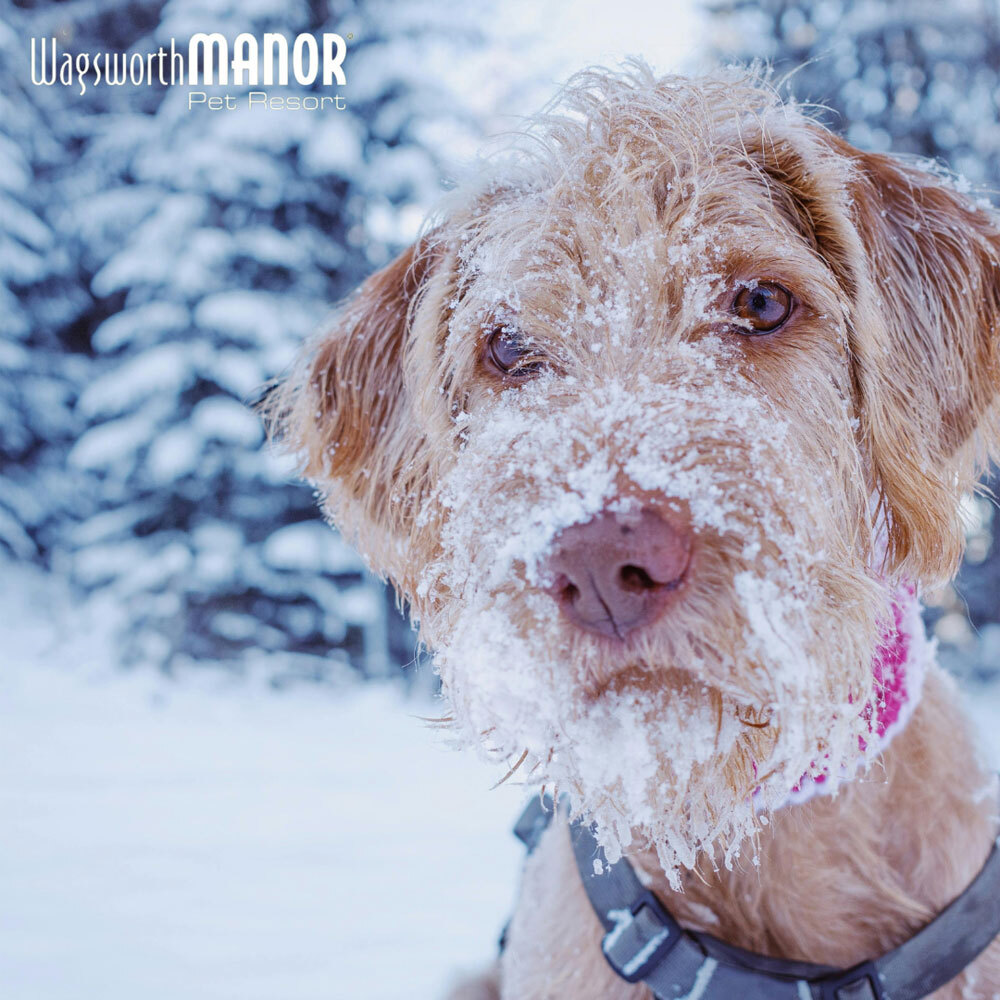
Winter Safety Tips for Dogs: Wagsworth Manor’s Cold Weather Guide for Pet Parents
Winter can be a magical season filled with crisp air, cozy nights, and beautiful snowy landscapes. But while many of us look forward to bundling up and sipping something warm, winter can pose serious risks to our four legged family members. Dogs experience cold weather very differently than humans, and even breeds with thicker coats can face dangers when temperatures drop. From icy sidewalks and chemical de-icers to freezing temperatures and winter storms, the colder months require extra awareness and preparation when it comes to winter safety for dogs.
Understanding winter safety for dogs is essential for keeping your pet healthy, comfortable, and safe all season long. Whether your dog loves romping through the snow or prefers quick potty breaks before heading back inside, every pup can benefit from thoughtful winter care. This guide is designed to help you navigate the most common winter hazards and give you practical, easy to follow tips you can use every day.
If It Is Too Cold for You, It Is Too Cold for Your Pet
One of the most important principles of winter pet care is surprisingly simple. If it feels too cold outside for you, it is probably too cold for your dog as well. Many pet parents assume that fur alone is enough protection, but even dogs with thick coats are vulnerable to freezing temperatures, frostbite, and hypothermia.
Pets left outdoors in cold weather can freeze, become disoriented, get lost, injured, or even killed. Cold temperatures can slow reaction times, weaken immune systems, and exacerbate existing health conditions. Puppies, senior dogs, and dogs with medical issues are especially at risk. Short haired breeds and small dogs can struggle even more because they lose body heat quickly.
Keeping pets indoors during winter is one of the most basic yet critical aspects of winter safety for dogs. Make sure your dog has a warm, draft free place to sleep and plenty of cozy bedding. Outdoor dogs should always have access to insulated shelter, but whenever possible, bringing them inside is the safest option.
It is also important to remember that cars can be dangerous in winter too. Many people associate hot cars with summer risks, but cold cars are just as problematic. A parked car can act like a refrigerator, trapping cold air inside. Leaving your pet alone in a vehicle during winter can cause them to freeze and may lead to serious health concerns. Always bring your dog with you when you leave the car, no matter the season.
Wash and Dry Your Dog’s Feet and Stomach After Walks
Winter walks are great for physical and mental stimulation, but they can expose your dog to hidden hazards. Ice, road salt, and chemical de-icers are commonly used to make sidewalks and driveways safer for humans, but they can be painful and harmful to dogs.
After outdoor walks, make sure to wash and thoroughly dry your pet’s feet and stomach. This simple habit helps remove salt, ice, and chemicals that can irritate skin and paw pads. Many dogs also lick their paws after walks, which means any residue left behind can be ingested.
Using pet friendly ice prevention products at home is another important part of winter safety for dogs. Traditional ice melts can burn paws and be toxic if ingested. We recommend pet safe alternatives such as Grow It Naturally, which offers eco pet friendly ice melters: growitnaturally.com.
Another great option is Safe Paw, a pet safe ice melt available through Chewy: chewy.com.
Protect Paws With Balms, Petroleum Jelly, or Booties
Your dog’s paws take the brunt of winter conditions. Cold surfaces, sharp ice, salt crystals, and chemical agents can all damage delicate paw pads. One of the most effective preventative steps you can take is applying a protective barrier before heading outside.
Massage petroleum jelly or other vet approved paw creams or balms into your dog’s paw pads prior to walks. This helps shield their skin from salt and chemicals while also preventing excessive drying and cracking. Paw balms are especially useful for dogs with sensitive skin or those who walk frequently in urban areas. We suggest ones from Musher’s or Skout’s Honor.
For even more protection, consider dog booties! While some dogs need time to adjust to wearing them, booties can be extremely effective at covering and protecting paws during winter walks. They also help with traction on slippery surfaces and keep paws warm.
We suggest winter dog boots like these from Spark Paws, which are designed for durability, comfort, and waterproof protection: sparkpaws.com.
Do Not Shave Your Dog Down During Winter
A longer coat acts like a natural winter jacket, helping to insulate your dog and retain body heat. For long haired dogs, trimming is often a better approach than shaving. Keeping fur neatly trimmed can reduce the buildup of ice balls, salt crystals, and de-icing chemicals that cling to long hair and dry out the skin. Pay special attention to the hair between your dog’s toes, as this area is prone to matting and ice accumulation.
Short haired dogs, on the other hand, may need extra help staying warm. Cozy coats or sweaters are a great option for walks and potty breaks. Not only do they provide warmth, but they can also be a fun way to show off your dog’s personality and style.
Maintaining the right coat length and providing appropriate winter apparel is another important piece of the winter safety for dogs puzzle. If your dog needs a haircut or grooming maintenance during the colder months, professional grooming can ensure their coat is cared for properly without compromising warmth.
If your pup could use a winter trim or a full grooming session, we would love to help. You can learn more about our grooming services here: wagsworthmanor.com/dog-grooming/
Limit Bathing During Cold Spells
Bath time is an essential part of pet care, but during winter, less is often more. Bathing your dog too frequently in cold weather can strip their coat and skin of essential oils that help protect against dryness and irritation.
Dry, flaky skin is a common winter issue for dogs, especially when combined with indoor heating and cold outdoor air. To reduce this risk, try not to bathe your pet as often during cold spells unless absolutely necessary.
If your dog does need a bath, use a moisturizing shampoo or rinse recommended by your veterinarian. Make sure your dog is completely dry before heading outside, as damp fur can quickly lead to chilling and discomfort.
Adjusting grooming routines with the season is part of practicing winter safety for dogs. Small changes like spacing out baths can have a big impact on your dog’s comfort and skin health.
Keep Dogs Leashed and Identified During Winter Walks
Snow and ice can dramatically change a dog’s environment. Familiar scents can be masked by snow, making it easier for dogs to become disoriented and lost. Winter storms can also reduce visibility and increase the risk of accidents.
Be wary of letting your dog off the leash on snow or ice, especially during a snowstorm. Even well trained dogs can lose their bearings when conditions change suddenly. In fact, more dogs are lost during the winter than during any other season.
Always make sure your dog wears an up to date ID tag, and consider microchipping if they are not already. A secure leash and proper identification are simple but powerful tools for winter safety for dogs, helping ensure your pet makes it home safely after every outing.
Follow Along With Wagsworth Manor for More Tips on Winter Safety for Dogs
Winter can be a wonderful time to make memories with your dog, but it also requires extra care, preparation, and awareness. From protecting paws and coats to avoiding chemical hazards and keeping dogs safely leashed, every small step adds up to a safer season.
By following these guidelines and focusing on winter safety for dogs, you can help your furry friend stay healthy, comfortable, and happy all winter long. Prevention and mindfulness are key, and your dog will thank you for it with wagging tails and cozy cuddles.
If you found this guide helpful, be sure to keep reading more dog oriented tips, seasonal advice, and expert insights on the Wagsworth Manor blog. We are here to support you and your pup through every season of life!